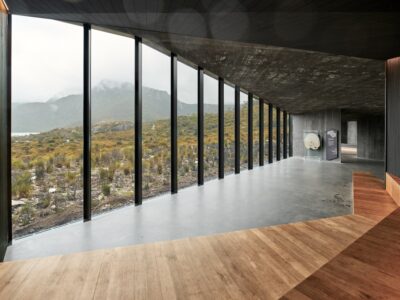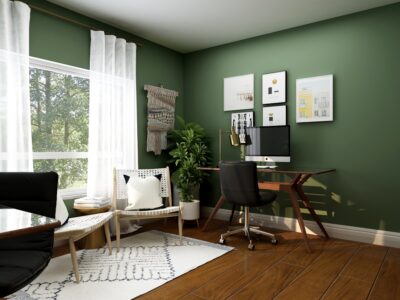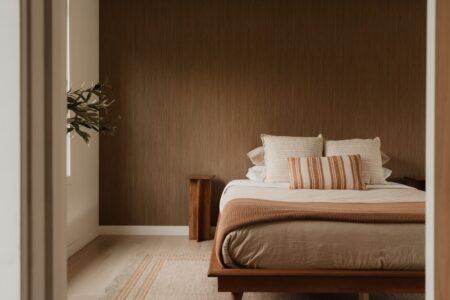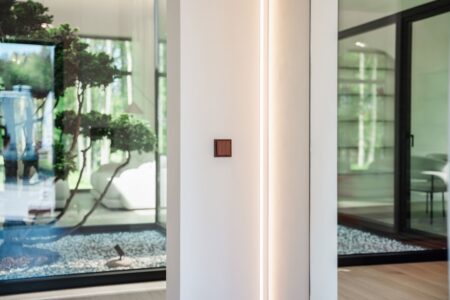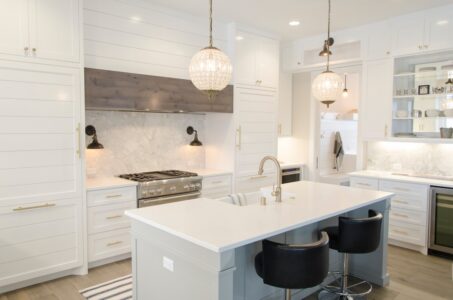
Lighting plays a crucial role in interior design, influencing not only the aesthetics of a space but also the mood and functionality. With the right lighting, even the most modest interiors can be transformed into inviting and dynamic environments. As homeowners and businesses increasingly recognize the importance of lighting, the demand for professional lighting design solutions has surged, making it essential to understand how lighting impacts interior aesthetics.
The Role of Lighting in Interior Design
Lighting is often referred to as the fifth element of design, complementing color, texture, space, and form. It can enhance architectural features, highlight artwork, and create focal points within a room. According to recent studies, 70% of consumers believe that lighting significantly affects their perception of a space, which underscores the importance of thoughtful lighting design in both residential and commercial settings.
Moreover, different types of lighting—ambient, task, and accent—serve distinct purposes. Ambient lighting provides overall illumination, task lighting focuses on specific areas for activities like reading or cooking, and accent lighting draws attention to particular features. By strategically combining these lighting types, designers can create layered lighting that enhances the overall aesthetic and functionality of a space.
Enhancing Mood and Atmosphere
The psychological effects of lighting are profound. Warm lighting can create a cozy and inviting atmosphere, while cooler tones can promote alertness and productivity. In fact, studies have shown that well-designed lighting can increase productivity by up to 20% in work environments. This is particularly relevant for commercial spaces where employee performance is critical to success.
In residential settings, lighting can influence emotions and behaviors. For instance, softer lighting in living areas can foster relaxation and social interaction, while brighter lighting in kitchens can enhance focus and efficiency. Understanding the emotional impact of lighting allows designers to tailor their solutions to meet the specific needs and preferences of their clients.
Practical Applications of Lighting Design
Incorporating effective lighting design into a project involves careful planning and consideration of various factors, including the purpose of the space, the architectural style, and the preferences of the occupants. For example, in a modern home, sleek recessed lighting may be preferred for a clean look, while a more traditional space might benefit from ornate chandeliers or sconces. This adaptability makes lighting design a versatile tool in achieving desired aesthetics.
Additionally, advancements in technology have introduced innovative lighting solutions such as smart lighting systems that allow users to control brightness and color temperature through mobile apps. These systems not only enhance convenience but also enable users to customize their environments to suit different occasions, further emphasizing the importance of lighting in interior design.
Color and Lighting: A Symbiotic Relationship
The interplay between color and lighting is another critical aspect of interior design. Different light sources can alter the appearance of colors, making them look warmer or cooler. For instance, incandescent bulbs tend to enhance warm colors, while fluorescent lights can make colors appear cooler and more vibrant. This phenomenon highlights the necessity of selecting appropriate lighting to complement the chosen color palette.
Moreover, color consultation services can benefit from a thorough understanding of lighting. By considering how different lighting affects color perception, designers can create harmonious and visually appealing spaces that resonate with the intended atmosphere. This synergy between color and lighting is essential for achieving cohesive and aesthetically pleasing interiors.
Building Trust Through Expertise
As the demand for professional interior design services continues to grow, establishing trust and credibility is paramount. Clients are increasingly seeking experts who can provide tailored solutions that address their unique needs. By showcasing a portfolio of successful projects and demonstrating a deep understanding of lighting design principles, professionals can build confidence among potential clients.
Furthermore, offering comprehensive services that include 3D interior visualization, home staging, and custom window treatments can enhance the overall client experience. By providing a holistic approach to interior design, professionals can ensure that every aspect of a project is thoughtfully considered, leading to successful outcomes that exceed client expectations.