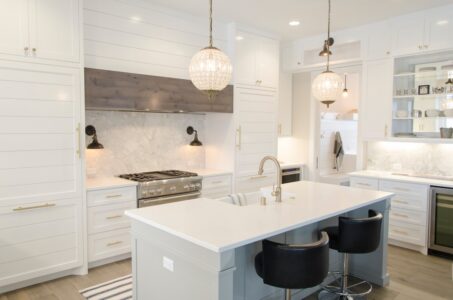
In today’s world, the importance of sustainability cannot be overstated, especially in the realm of interior design. As homeowners and businesses alike become more conscious of their environmental impact, incorporating sustainable practices into design projects has emerged as a vital consideration. This article explores how sustainable interior design not only benefits the planet but also enhances the aesthetic and functional qualities of spaces.
Understanding Sustainable Interior Design
Sustainable interior design focuses on creating spaces that are environmentally responsible and resource-efficient throughout their life cycle. This approach encompasses various elements, including the use of eco-friendly materials, energy-efficient lighting, and sustainable furniture. By prioritizing sustainability, designers can significantly reduce waste and energy consumption, ultimately contributing to a healthier planet.
Moreover, sustainable design practices often lead to improved indoor air quality and overall well-being for occupants. For instance, using low-VOC paints and finishes can minimize harmful emissions, creating a safer environment for families and employees. As a result, sustainable interior design not only addresses environmental concerns but also enhances the quality of life for those who inhabit these spaces.
Benefits of Sustainable Practices
One of the primary benefits of incorporating sustainable practices into interior design is cost savings. While some may perceive eco-friendly materials as more expensive upfront, they often lead to significant savings in the long run. For example, energy-efficient lighting solutions can reduce electricity bills by up to 75%, making them a wise investment for both residential and commercial spaces.
Additionally, sustainable design can increase property value. Homes and businesses that prioritize eco-friendly features are often more attractive to potential buyers or tenants. In a city like Portland, Oregon, properties with sustainable design elements have seen a 10% increase in market value, demonstrating the financial advantages of adopting these practices.
Case Study: Local Impact in Portland
In Portland, a recent project showcased the measurable impact of sustainable interior design. A local café underwent a renovation that included the installation of reclaimed wood furnishings, energy-efficient appliances, and natural lighting solutions. As a result, the café reported a 30% reduction in energy costs within the first year, allowing them to reinvest those savings into community initiatives.
This project not only benefited the café financially but also contributed to the local economy by sourcing materials from nearby suppliers. By supporting local businesses and reducing their carbon footprint, the café became a model for other establishments in the area, illustrating the positive ripple effect of sustainable design practices.
Color Consultation and Sustainable Choices
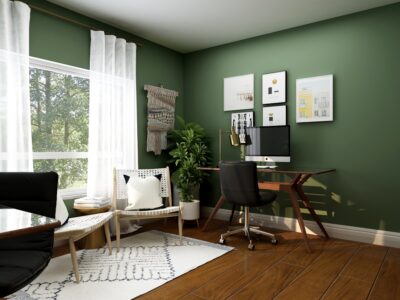
Color consultation is another crucial aspect of sustainable interior design. Choosing the right colors can enhance the mood and functionality of a space while also reflecting eco-friendly values. Designers can recommend paints and finishes that are both aesthetically pleasing and low in harmful chemicals, ensuring that the environment remains a priority.
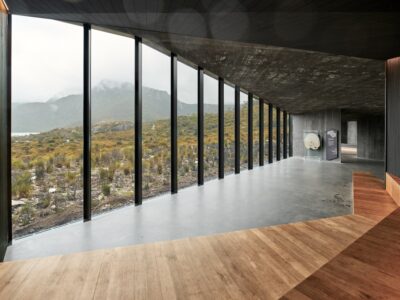
Furthermore, incorporating natural colors inspired by the surrounding landscape can create a harmonious connection between the interior and exterior spaces. This approach not only promotes sustainability but also fosters a sense of well-being among occupants, making it an essential consideration in any design project.
Custom Solutions for Every Space
At Original Nesting, we understand that every project is unique, and our team is dedicated to providing custom solutions that align with sustainable practices. Whether it’s through 3D interior visualization or tailored window treatments, we work closely with clients to ensure their vision is realized while prioritizing eco-friendly materials and methods.
Our commitment to sustainability extends beyond aesthetics; we aim to create functional spaces that enhance the quality of life for all users. By integrating sustainable practices into our design process, we not only meet the needs of our clients but also contribute to a more sustainable future for our communities.