Choosing the perfect color palette for your home is an essential step in creating a space that reflects your personality and meets your functional needs. The right colors can enhance the mood of a room, create a sense of harmony, and even influence how spacious or cozy a space feels. As we look ahead to the upcoming year, understanding color trends and how to effectively implement them in your home will be crucial for achieving a modern and inviting atmosphere.
Understanding Color Theory
Color theory is the foundation of any successful color palette. It involves understanding the color wheel, which consists of primary, secondary, and tertiary colors. Primary colors are red, blue, and yellow, and they can be mixed to create secondary colors like green, orange, and purple. By familiarizing yourself with these basics, you can start to see how colors interact with one another and how they can be combined to create a cohesive look in your home.
Additionally, color theory emphasizes the importance of warm and cool colors. Warm colors, such as reds and yellows, tend to create a cozy and inviting atmosphere, while cool colors, like blues and greens, can evoke a sense of calm and tranquility. Understanding these principles will help you choose colors that not only look good together but also create the desired emotional response in your living spaces.
Identifying Your Style
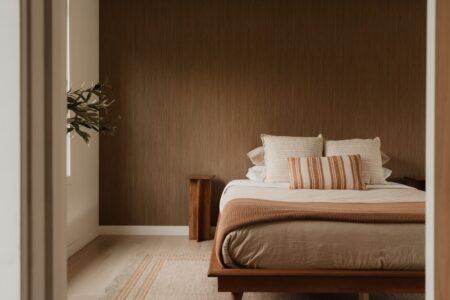
Your personal style plays a significant role in determining the color palette that will work best for your home. Are you drawn to modern minimalism, rustic charm, or perhaps a bohemian vibe? Identifying your style will help you narrow down your color choices and ensure that your home reflects your unique taste. For instance, a modern aesthetic may favor neutral tones with bold accent colors, while a rustic style might incorporate earthy hues and softer pastels.
To identify your style, consider creating a mood board with images that inspire you. This can include photos of interiors, color swatches, and even fabric samples. By visually curating your preferences, you can better understand the colors and styles that resonate with you, making it easier to select a palette that feels authentic and cohesive.
Considering Lighting and Space
Lighting is a crucial factor in how colors appear in your home. Natural light can make colors look brighter and more vibrant, while artificial lighting can alter their appearance significantly. Before finalizing your color palette, test your chosen colors in different lighting conditions throughout the day. This will give you a better sense of how they will look in your space and help you avoid any unpleasant surprises.
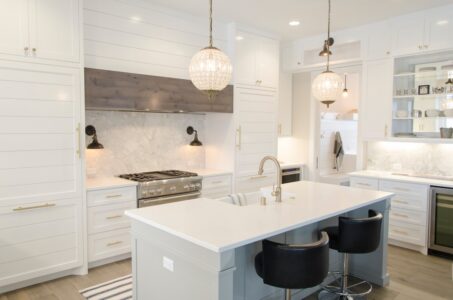
Additionally, consider the size and layout of your rooms. Lighter colors can make a small space feel larger and more open, while darker shades can create a cozy and intimate atmosphere. If you have a large room, you might experiment with a bolder color palette to add depth and character. Balancing your color choices with the dimensions of your space will enhance the overall aesthetic and functionality of your home.
Trends to Watch in the Upcoming Year
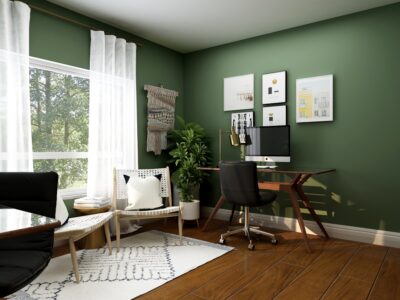
As we move into the next year, two emerging trends in color palettes are worth noting. First, the rise of biophilic design emphasizes the use of natural colors inspired by nature, such as greens, browns, and soft blues. This trend encourages homeowners to create spaces that foster a connection with the outdoors, promoting well-being and tranquility.
Secondly, the use of bold, saturated colors is making a comeback. Homeowners are increasingly embracing vibrant hues that make a statement and reflect their personality. This trend allows for creative expression and can transform a space into a lively and dynamic environment. By staying informed about these trends, you can incorporate fresh ideas into your color palette while ensuring your home remains stylish and relevant.
Final Thoughts on Choosing Your Color Palette
Choosing the perfect color palette for your home is a thoughtful process that requires consideration of various factors, including color theory, personal style, lighting, and emerging trends. By taking the time to explore these elements, you can create a harmonious and inviting space that truly reflects who you are. Remember that your home should be a sanctuary that brings you joy and comfort, and the right colors can help you achieve that.
As you embark on this journey, don’t hesitate to seek professional guidance if needed. Interior designers and color consultants can provide valuable insights and help you navigate the complexities of color selection. Ultimately, the goal is to create a home that feels uniquely yours, and with the right color palette, you can achieve just that.