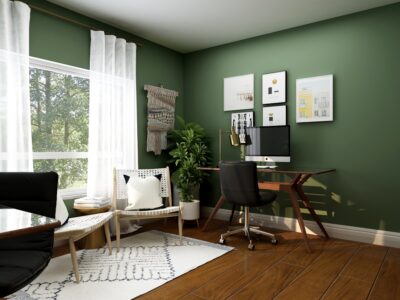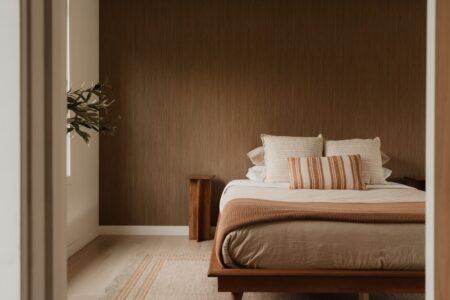
Mixing textures in home decor is an art that can transform a space from ordinary to extraordinary. By incorporating various materials, you can create depth, interest, and a unique personality in your home. This approach not only enhances the aesthetic appeal but also adds a tactile experience that engages the senses. Understanding how to blend different textures effectively is key to achieving a harmonious and inviting environment.
Understanding Texture in Interior Design
Texture refers to the surface quality of a material, which can be perceived visually and physically. In interior design, texture plays a crucial role in creating a layered look that adds dimension to a room. Different textures can evoke various feelings; for instance, soft fabrics can create a cozy atmosphere, while sleek surfaces can impart a modern feel. By thoughtfully combining textures, you can enhance the overall mood of your space.
When considering texture, think about the materials you already have in your home. Common textures include smooth, rough, soft, shiny, and matte. Each of these can be used to complement or contrast with one another. For example, pairing a plush velvet sofa with a sleek glass coffee table can create a striking balance that draws the eye and invites touch. The key is to find a mix that feels cohesive and intentional.
Choosing the Right Textures
To effectively mix textures, start by selecting a color palette that will unify the different materials. Neutral tones can serve as a great base, allowing you to introduce various textures without overwhelming the space. Once you have your colors in place, consider the scale and proportion of the textures you choose. Large, chunky textures can anchor a room, while smaller, finer textures can add subtle interest.
Don’t be afraid to experiment with unexpected combinations. For instance, pairing a rustic wooden table with sleek metal chairs can create an intriguing contrast that adds character to your dining area. Additionally, layering textiles such as throws, cushions, and rugs can enhance comfort while providing visual interest. Remember, the goal is to create a balanced look that feels inviting and well thought out.
Practical Applications of Texture Mixing
Incorporating texture into your home decor can be done in various ways, from furniture choices to decorative accents. For instance, consider using textured wallpaper or a statement piece of art that features different materials. These elements can serve as focal points that draw attention and spark conversation. Additionally, incorporating natural elements such as plants can add organic texture that softens hard surfaces.
Another practical application is in the use of textiles. Layering different fabrics, such as linen, cotton, and wool, can create a warm and inviting atmosphere. Use textured throws on sofas, mix patterned cushions, and choose rugs that add depth to your flooring. By thoughtfully selecting and arranging these elements, you can create a cohesive look that reflects your personal style.
Checklist for Mixing Textures
To successfully mix textures in your home decor, follow this simple checklist: start with a cohesive color palette, experiment with different materials, and layer textiles for added depth. By adhering to these guidelines, you can create a space that feels both stylish and comfortable. Remember, the goal is to create a harmonious blend that reflects your personality while inviting warmth and comfort into your home.
Ultimately, mixing textures is about finding the right balance that resonates with you. Take your time to explore different combinations and trust your instincts. With practice, you’ll develop an eye for what works and what doesn’t, allowing you to create a home that is uniquely yours.